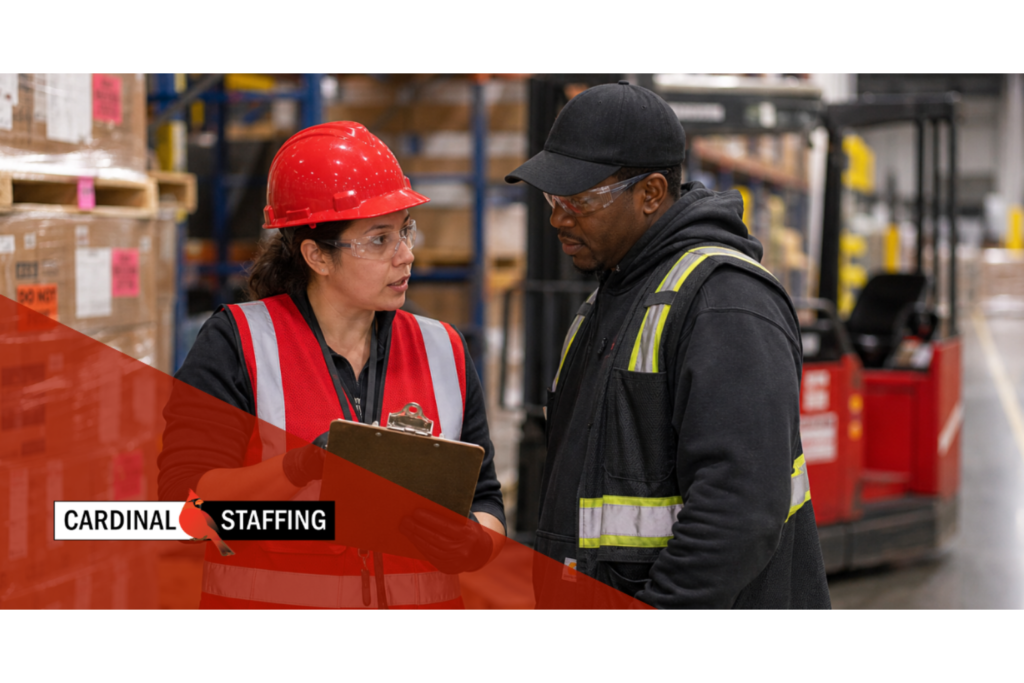
Why Flexible Warehouse Jobs Are Worth More Than the Hourly Rate
When comparing warehouse or light industrial jobs, the hourly rate is usually one of the first things you look at. That makes sense. Pay matters.
But two jobs offering similar hourly wages can provide very different opportunities.
Schedule flexibility, consistent hours, training, overtime opportunities, location, workplace environment, and the chance to learn new skills can all affect the real value of a position. A job that helps you build experience and move toward better opportunities may ultimately be worth more than a slightly higher starting rate with limited flexibility or growth.
Before accepting your next flexible warehouse job, consider the complete opportunity, not just the number on the job posting.
What Makes a Warehouse Job a Good Opportunity?
Hourly pay is important, but it should be one part of your decision.
A warehouse or light industrial position may offer additional value through:
-
A schedule that works for you: The right shift can make it easier to manage transportation, family responsibilities, school, or another commitment.
-
Consistent hours: Knowing when you are expected to work can make planning your week and managing your income easier.
-
Opportunities to learn: A position that exposes you to new equipment, processes, or responsibilities can strengthen your resume.
-
Potential advancement: Some entry-level positions can become pathways into machine operation, inventory control, skilled trades, maintenance, or leadership.
-
A manageable commute: A job closer to home may save you significant time and transportation costs each week.
-
A safe, organized environment: Clear expectations, proper training, and a workplace that takes safety seriously can have a major impact on your experience.
When comparing opportunities, look at how these factors fit your priorities.
Why Schedule Flexibility Has Real Value
A higher hourly rate may look attractive until you discover that the schedule does not work for your life.
Before accepting an offer, make sure you understand the actual shift requirements.
Ask questions such as:
-
What time does the shift start and end?
-
Is the schedule consistent each week?
-
Is overtime required or optional?
-
Are weekends required?
-
Can the schedule change based on production needs?
-
Are multiple shifts available?
There is no universally “best” shift. The best schedule is one you can realistically maintain.
This is especially important because reliability is highly valuable in manufacturing and warehouse environments. Choosing a schedule you can consistently meet can help you establish yourself as a dependable employee.
Learn more about what recruiters actually mean when they say “reliable worker” and how those habits can strengthen your career.
Consider What You Will Learn on the Job
Your next warehouse position can give you more than a paycheck. It can also give you skills that qualify you for future opportunities.
For example, an entry-level warehouse employee may eventually gain experience with:
-
Forklifts or material handling equipment
-
Shipping and receiving
-
Inventory management
-
Warehouse management systems
-
Cycle counting
-
Quality control
-
Machine operation
-
Team leadership
-
Safety procedures
Not every position provides the same exposure or training, so ask what you will actually be doing.
If two jobs have similar pay but one gives you an opportunity to learn equipment or processes that can strengthen your resume, that difference deserves consideration.
If you are new to industrial work, Cardinal Staffing’s guide to getting your first light industrial job can also help you understand the qualities employers look for beyond previous experience.
Look at the Type of Employment
Another factor to consider is whether the position is temporary, temp-to-hire, or direct hire.
A temporary assignment may make sense if you want to return to work quickly, build experience, or need employment for a specific period.
A temp-to-hire opportunity may appeal to someone who wants the possibility of becoming a permanent employee after demonstrating their abilities on the job.
The important thing is understanding what you are accepting.
Before saying yes, ask your recruiter how the assignment is structured, how long it is expected to last, and what expectations apply to the position.
If you are considering this type of arrangement, read Contract-to-Hire Jobs: What Recruiters Don’t Explain (But Should) to learn what questions to ask before accepting.
Think About the Work Environment
The value of a job also depends on what your workday will actually be like.
Warehouse and light industrial environments can vary considerably.
One position might involve standing and packing products for most of the shift. Another may require frequent lifting, equipment operation, working in different temperature conditions, or moving throughout a large facility.
Ask about:
-
Physical requirements
-
Temperature and working conditions
-
Required PPE
-
Equipment you will use
-
Training provided
-
Team structure
-
Productivity expectations
Safety should be part of this conversation too. Cardinal Staffing’s guide to safety strategies in manufacturing provides practical information about developing strong safety habits in industrial environments.
Knowing these details ahead of time can help you decide whether the position is something you can realistically see yourself doing successfully.
Ask Whether the Job Can Lead Somewhere
Not every warehouse employee wants to become a supervisor or skilled technician, and that is perfectly fine.
But if career growth matters to you, ask about it.
Find out whether employees have opportunities to cross-train, learn additional equipment, take on more responsibility, or move into other departments.
An entry-level warehouse position can potentially give you experience that supports your next career move.
That might mean moving from material handling into inventory control, from assembly into machine operation, or from an entry-level production position toward a skilled trade.
Cardinal Staffing has more guidance on why some manufacturing jobs lead to careers and others don’t if you want to evaluate opportunities with long-term growth in mind.
Compare the Entire Job Offer
When you receive an offer, resist the temptation to compare opportunities using hourly pay alone.
Instead, consider the complete picture:
Pay: Does the rate meet your needs?
Hours: Will you receive the schedule and consistency you need?
Commute: How much time and money will getting to work require?
Work environment: Are you comfortable with the physical requirements and conditions?
Skills: Will you gain useful experience?
Employment type: Is the position temporary, temp-to-hire, or permanent?
Growth: Could the experience help you qualify for better opportunities later?
A position does not need to score perfectly in every category. What matters is determining which factors are most important to you.
Before making that decision, it can also help to review the questions you should ask before accepting a job offer so you have a clear understanding of the opportunity.
Find a Warehouse Job That Fits More Than Your Paycheck
The best warehouse or light industrial job for you is not necessarily the one with the highest number in the job posting.
It is the opportunity that makes sense for your current needs while helping you move toward your next goal.
For some candidates, flexibility will matter most. For others, it will be consistent hours, a shorter commute, new skills, or the possibility of turning an assignment into a longer-term career.
Cardinal Staffing works with job seekers looking for warehouse, manufacturing, skilled trades, and light industrial opportunities. A recruiter can help you understand the details of an assignment so you can evaluate more than the hourly rate.
Search current Cardinal Staffing jobs and explore opportunities that fit your skills, schedule, and career goals.